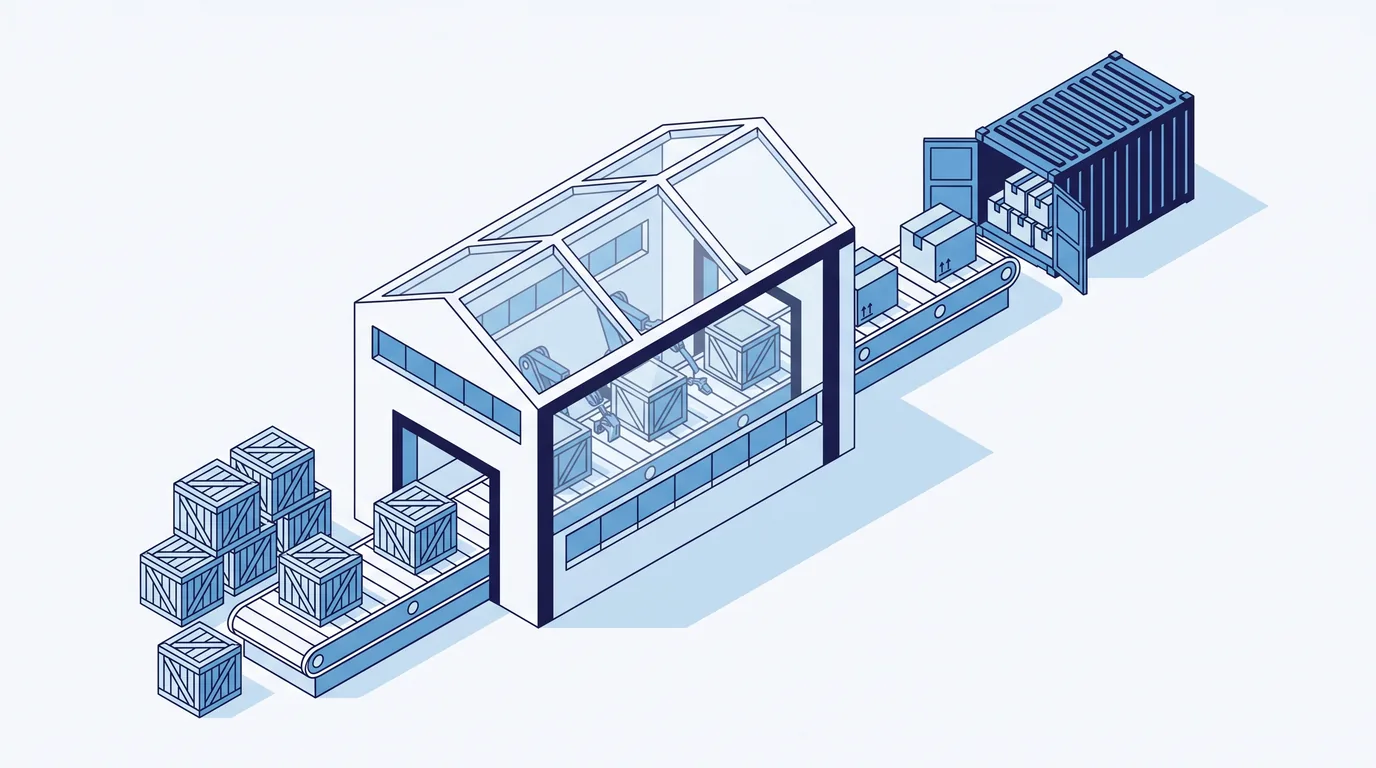


The IMMEX program (Mexico's manufacturing, maquiladora and export services regime) allows companies to import goods temporarily without paying VAT or general import duty, as long as those goods are exported within the established deadlines. It is one of the most widely used schemes in Mexican manufacturing, and one of the most audited.
Why Annex 31 changed the game
Since 2024, the SAT requires every IMMEX company to file detailed reports under Annex 31 of the Customs Law Regulations: raw material balances, discharge of pedimentos (Mexican customs entries), process losses, scrap and finished goods. What used to live in a spreadsheet now has to match customs declarations to the gram.
Typical audit findings
Over the last twelve months, the recurring observations we see in SAT audits are:
How to prevent it
Annex 31 stops being a burden when it is wired into the ERP and the inventory control system. The three critical steps: (1) parameterize the BOM with auditable tolerances, (2) document process losses with photos and weekly logs, and (3) reconcile pedimentos every 30 days instead of waiting for the fiscal close.
Logwell supports its IMMEX clients with quarterly internal audits and Annex 31 opinions that stand as backup against any SAT inquiry. Getting ahead of it is worth it: an early observation costs hours of work, while an omission the SAT finds costs fines that escalate fast.
Sources and references
- DOF (Mexico's Federal Register), updated IMMEX Decree
- SAT, Customs Law Regulations, Annex 31
About the author
Logwell Team
Compliance Practice
Logwell's compliance practice supports IMMEX companies with internal audits, inventory control and Annex 31 reporting, with more than 200 opinions issued over the last three years.
Still have a question?
Want to assess your CTPAT or regulatory compliance?
We run a gap assessment and guide you through certification or regularization without disrupting your operation.
Schedule an assessmentShare