Incoterms (International Commercial Terms) are the rules published by the International Chamber of Commerce that define who pays for what, and who carries the risk, at each stage of an international transaction.
The most expensive mistake: confusing responsibilities
The most common case we see in advisory work: an importer negotiates FOB Shanghai but never buys international cargo insurance. The goods are lost in ocean transit, and the supplier already delivered when the cargo went over the ship's rail. The result: total loss, zero coverage.
The 5 Incoterms that matter most to importers in Mexico
EXW (Ex Works): the supplier makes the goods available at its plant. You pay for and arrange absolutely everything from there. Maximum control, maximum responsibility. Best if you have an agent at origin.
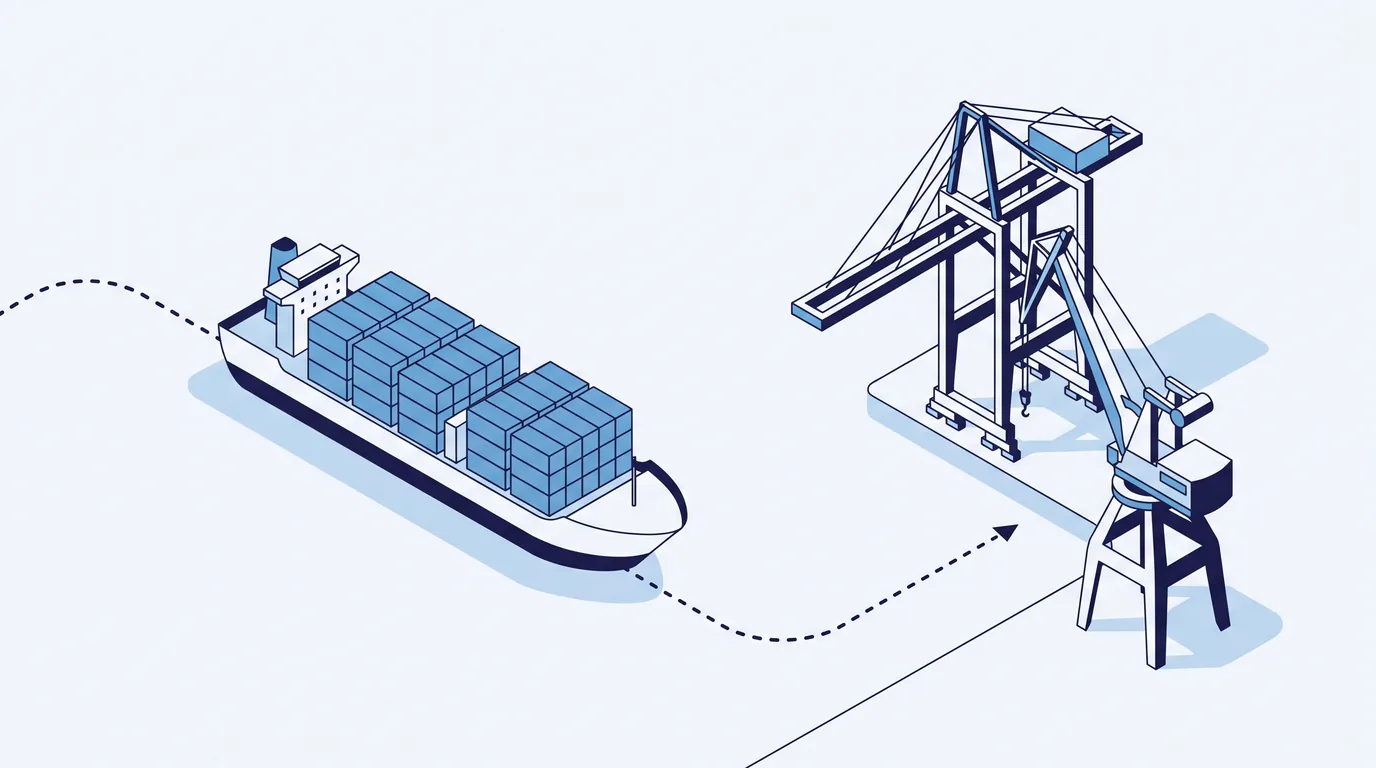
FOB (Free On Board): the supplier delivers on board the vessel at the port of origin. You are responsible from the moment the cargo crosses the rail. It is the most widely used term for purchases from Asia, but you have to arrange freight and insurance.
CIF (Cost, Insurance & Freight): the supplier pays freight and basic insurance to the destination port. Convenient, with a caveat: the minimum insurance is usually not enough, and you have little control over the logistics.
DAP (Delivered at Place): the supplier delivers to your address without paying import taxes. A good fit when you want to hand off the international leg.
DDP (Delivered Duty Paid): the supplier delivers to your plant and pays everything, Mexican taxes included. Maximum convenience, but the supplier needs a customs broker in Mexico and usually builds that into the price.
Our recommendation for recurring Mexico-Asia operations
For regular imports from China, Korea or Vietnam, we recommend negotiating FOB with a freight forwarder that consolidates your shipments (LCL) or quotes you FCL rates. It gives you control over the chain and more predictable costs than CIF, where the supplier picks the cheapest carrier (not always the best one for you).
Quick comparison: who pays what
Choosing the right Incoterm is not just a contractual detail. It defines your cost structure and your level of operating control. A quick summary:
EXW: supplier pays nothing. Buyer pays everything. Maximum control, maximum complexity.
FOB: supplier pays up to the vessel. Buyer pays ocean freight plus insurance plus customs clearance in Mexico.
CIF: supplier pays freight plus minimum insurance. Buyer pays customs clearance in Mexico.
DAP: supplier pays everything except Mexican taxes. Buyer only pays the import.
DDP: supplier pays absolutely everything. Buyer receives at its plant.
Which one fits your profile
If you import more than 3 containers a month from Asia: FOB is almost always the right call. You have the volume to negotiate freight directly and you control the carrier.
If you import occasionally (1 or 2 shipments a year): CIF or DAP can simplify the operation. The supplier's markup buys you time and removes complexity.
If you are starting out and do not have a freight forwarder yet: DDP lets you focus on the commercial side while you build your logistics infrastructure.
The question to ask your supplier
"Can you quote me both FOB and CIF?" If the gap between the two is unusually wide, the supplier is optimizing something in its favor inside the freight price. That difference should be transparent and comparable against market rates.
Sources and references
- Incoterms® 2020, International Chamber of Commerce
- SAT (Mexico's tax authority), Import Guide for Legal Entities
- Banco de México, Foreign Trade Report 2024
About the author
Logwell Team
Advisory Practice
Logwell's advisory practice brings together licensed customs brokers and cross-border trade specialists with more than 15 years running Mexico-Asia, Europe and North America operations.
Still have a question?
Planning a new import or export operation?
Logwell can advise you on Incoterm structure, transport mode selection and documentary requirements from origin.
Talk to a specialistShare