
The USMCA (the United States-Mexico-Canada Agreement, known in Mexico as T-MEC) entered into force on July 1, 2020 and has reshaped the rules of North American trade since. Yet many Mexican exporters keep paying tariffs they do not owe, either because they fail the origin requirements or because their paperwork is wrong.
The money being left on the table
For a Mexican manufacturer selling into the U.S. against a 3.5% MFN (Most Favored Nation) tariff, the USMCA can mean a zero rate. On several million dollars of annual sales, that is an enormous competitive edge over Asian competitors who do pay that tariff.
Rules of origin: the critical point
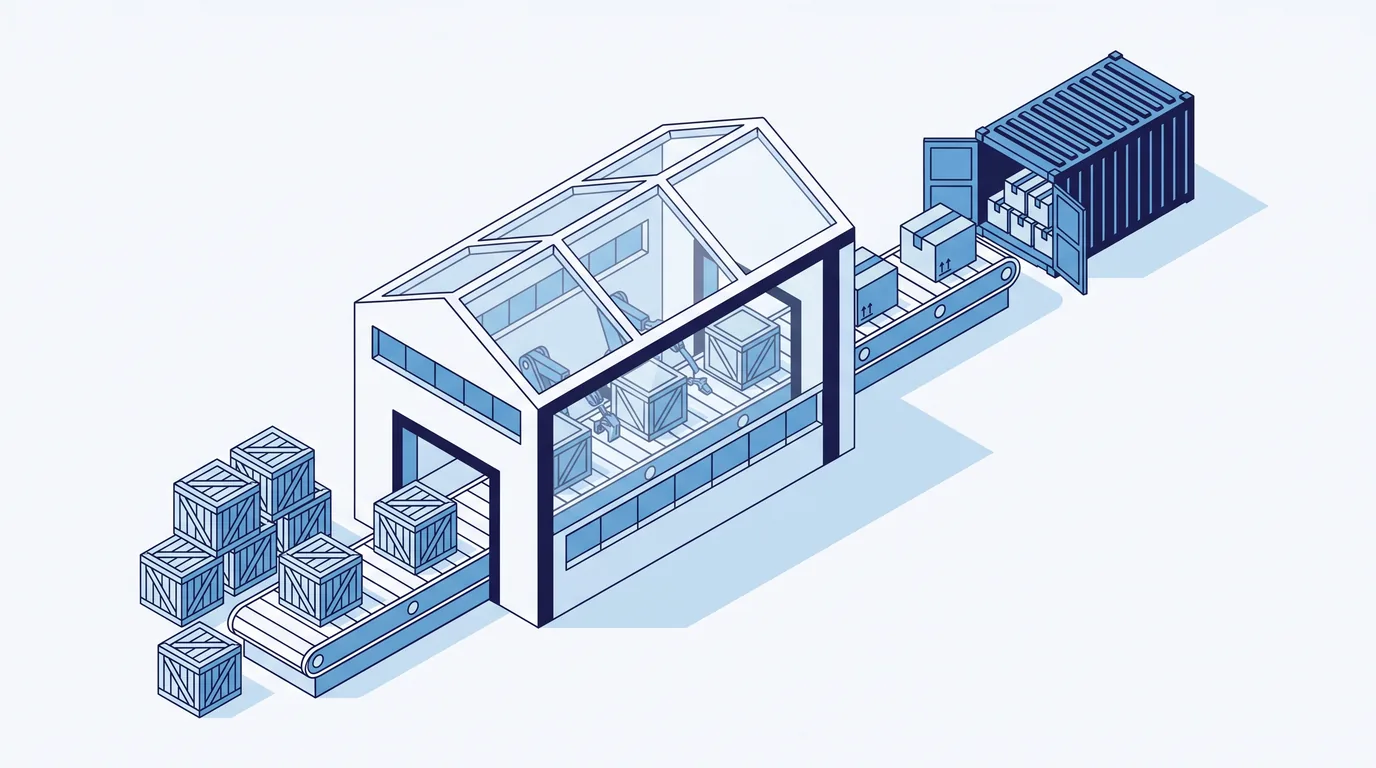
To claim USMCA benefits, your product must originate in the region. That means more than assembly in Mexico: the inputs have to qualify too. The three main rules:
Tariff shift: the exported product must carry a different tariff classification than its imported inputs. It sounds technical, but your customs broker can run the calculation.
Regional value content: a percentage of the product's value must come from the USMCA region. For automotive, the threshold rose to 75%.
Specific processes: some products (textiles, footwear, steel) require certain manufacturing steps to happen inside the region.
How to make it operational
The first step is an origin analysis of your main products. That determines whether they qualify under the USMCA and under which rule. Then comes the paperwork: the USMCA certification of origin, declared by the exporter (no third-party certification is required in most cases).
Logwell offers this analysis as part of our cross-border trade advisory service. The goal: you export at the correct rate, and your U.S. or Canadian customer captures the preference too.
Sources and references
- USMCA, official treaty text
- Mexican Ministry of Economy, USMCA Rules of Origin Guide
About the author
Logwell Team
Cross-Border Trade Practice
Logwell's cross-border trade practice advises Mexican exporters on trade agreement benefits, rules of origin and tariff preference certification for operations with the U.S. and Canada.
Still have a question?
Planning a new import or export operation?
Logwell can advise you on Incoterm structure, transport mode selection and documentary requirements from origin.
Talk to a specialistShare