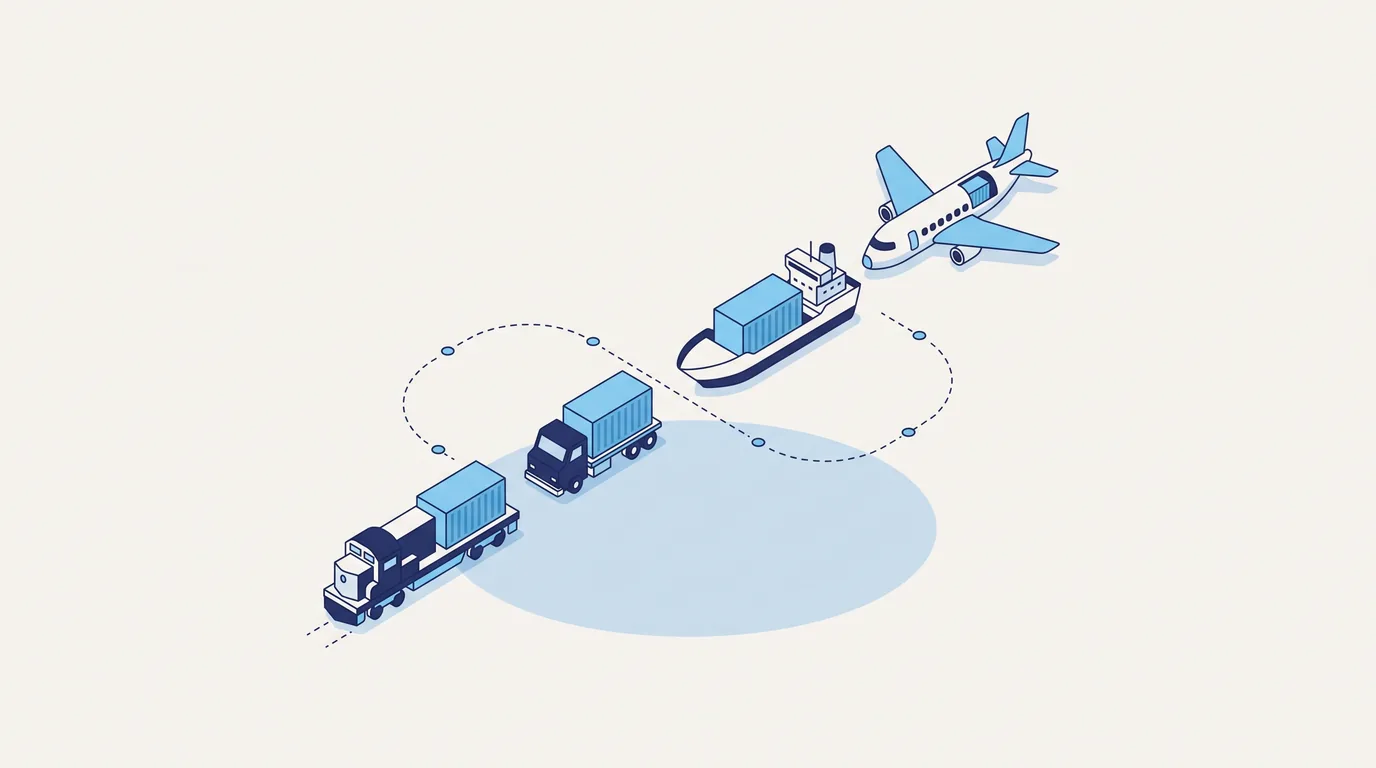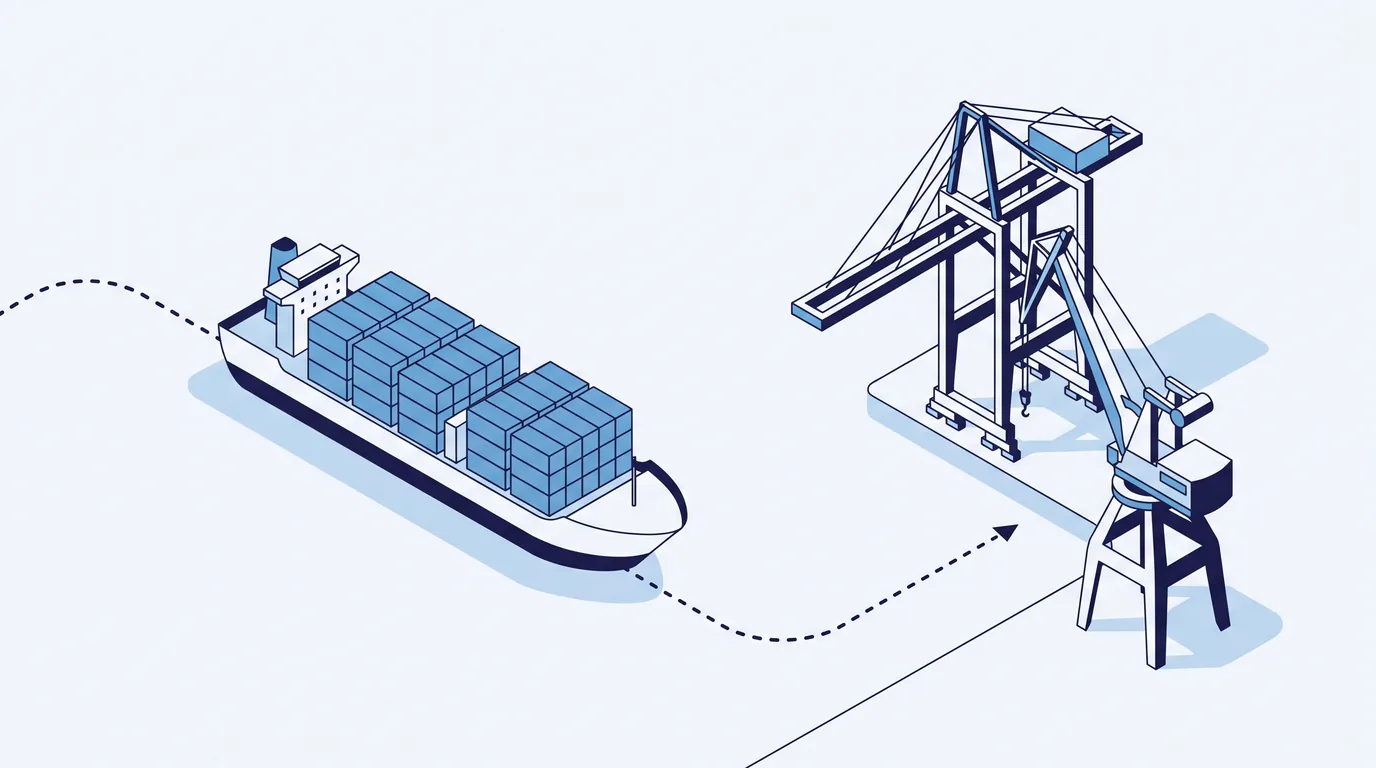

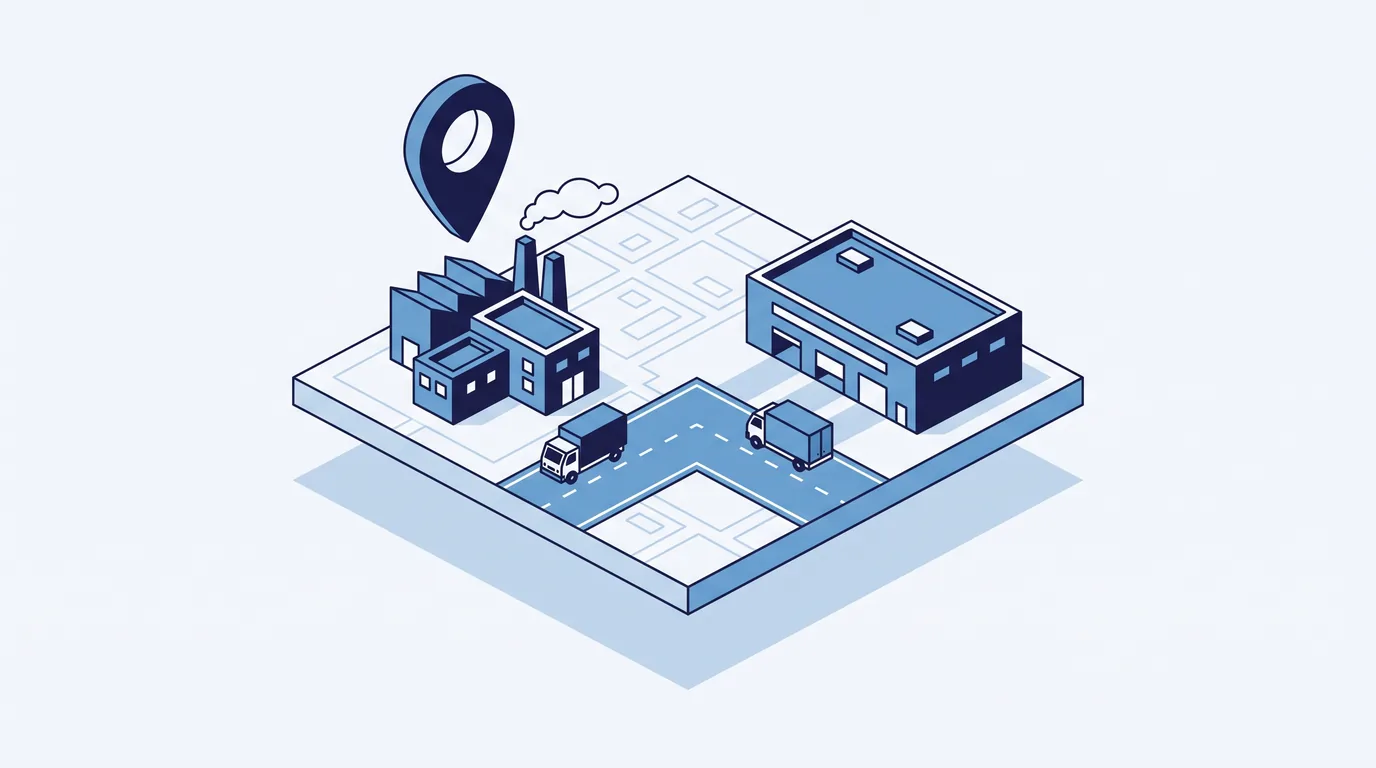
Nearshoring, the relocation of manufacturing to countries near the consumer market, has pushed a wave of investment into Mexico unseen since the early NAFTA years. Asian and European companies supplying the North American market are moving production capacity to Nuevo León, Coahuila, Baja California and the Bajío.
For Logwell, operating in those industrial corridors since 2022, the shift is visible in the numbers: 40% of the new clients we onboard are subsidiaries or suppliers of companies that just set up in Mexico.
Why the logistics equation changes
When an Asian company relocates to Mexico, it does not just change its address: its entire chain changes. Input suppliers that used to ship straight to Asia now have to deliver in Monterrey or Tijuana. And Mexican manufacturers that only sold domestically now export as Tier 1 suppliers to plants in the U.S.
That creates three logistics challenges that are not obvious at first:
Inputs from multiple origins: the Monterrey plant imports steel sheet from Korea, electronics from Taiwan and plastics from China. Each origin has its own duty regime, its own USMCA origin rules and its own NOM requirements (NOMs are Mexican Official Standards). The customs workload multiplies.
Shipment frequency into the U.S.: when the destination is an assembly plant in Texas or Michigan running just-in-time, the margin of error on crossing times is zero. One truck delayed in Laredo can stop a production line.
USMCA rules of origin: to capture the preferential tariff (0% on most manufacturing), products must meet the minimum North American regional content. That requires material traceability from supplier to finished product. Many companies new to Mexico never parameterize it and lose the benefit.
The five points to resolve before you start
1. Tariff classification of every input: if you do not know the exact code of each material you import, you cannot calculate origin compliance or predict your import costs. It is step one.
2. A logistics partner with border presence: having a customs broker is not the same as having an integrated logistics operator. Nearshoring demands one party coordinating Mexican ground freight, customs clearance, the border crossing and delivery to the U.S. plant under a single contract and a single point of contact.
3. An in-house customs license or a dedicated broker: companies arriving in Mexico planning to work with the first available broker quickly discover their operation competes for capacity with hundreds of other importers. If your volume justifies it, a dedicated broker or a brokerage with its own license gives you real priority in peak season.
4. CTPAT from day one: if you will export to the U.S. regularly, start the CTPAT process before your first shipment. Companies that skip it early end up paying for expensive retrofits when their U.S. customers demand it as a contract requirement.
5. An ERP integrated with customs: companies that try to run their customs operation on email and spreadsheets get trapped as volume scales. Integrating your ERP with your broker's systems is infrastructure, not a nice-to-have.
The window of opportunity
The supply chain reshuffle is structural: manufacturers that arrive in Mexico with a well-parameterized operation in the next two years will hold a durable logistics advantage over those that come later. The Nuevo Laredo-Laredo corridor already moves 43% of Mexico-U.S. trade, and the infrastructure to handle it is expanding now.
Logwell works with foreign subsidiaries from their initial establishment in Mexico: industrial park selection, customs setup, the first pedimento (customs entry) and training for the local team. If you are at that stage, or advising a client who is, we can be the first call.
Sources and references
- Banco de México, Foreign Direct Investment Report 2024
- INEGI, Mexico-U.S. Foreign Trade Statistics 2025
- USMCA Secretariat, Rules of Origin for Manufacturing
About the author
Logwell Team
Advisory Practice
Logwell's advisory practice supports international companies setting up in Mexico, from industrial park selection to the configuration of their customs and logistics operation.
Still have a question?
Planning a new import or export operation?
Logwell can advise you on Incoterm structure, transport mode selection and documentary requirements from origin.
Talk to a specialistShare