
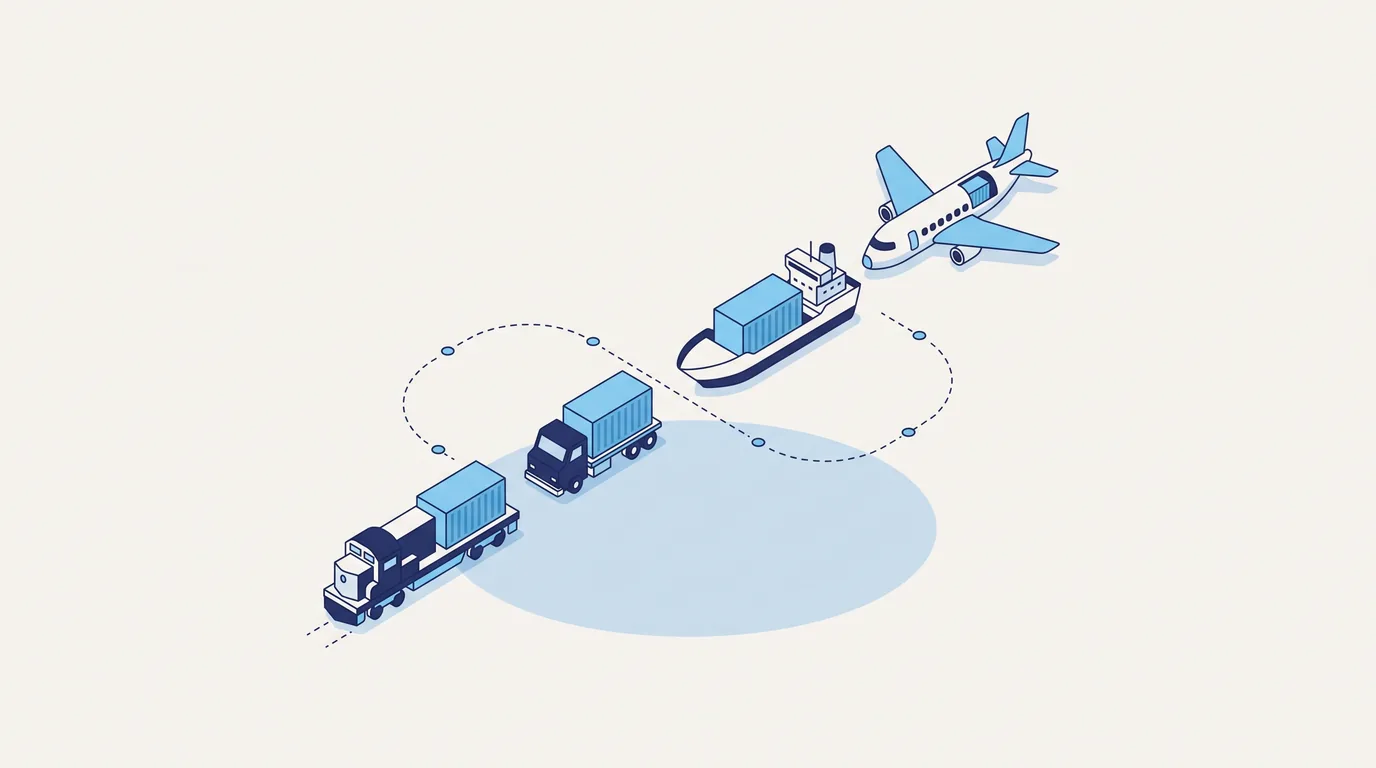
Multimodal transport combines two or more transportation modes (ground, rail, ocean) under a single contract and a single legal responsibility. It is not simply using a truck and a vessel on the same shipment: it is a coordinated chain where times, documents and custody transfers are defined in advance.
For Mexico-U.S. routes, multimodal matters because the three big corridors (Pacific, Central/NAFTA and Gulf) each have different optimal combinations depending on where the cargo originates and where it ends up.
The three corridors and when to use each
Pacific corridor: Manzanillo, Guadalajara, Monterrey, Laredo / El Paso. The entry point for Asian cargo. A container landing in Manzanillo can ride rail to Monterrey and truck into Texas, or go overland straight to the border. For electronics and retail from Asia, this corridor has the highest frequencies and capacity.
Central corridor (NAFTA): Nuevo Laredo, Monterrey, Saltillo, Torreón. The busiest corridor on the continent: it moves 43% of Mexico-U.S. trade. The Colombia International Bridge and the Solidarity Bridge in Nuevo Laredo are the highest-capacity crossing points. For manufacturing in the northeast (Nuevo León, Coahuila, Tamaulipas), this corridor is the natural route.
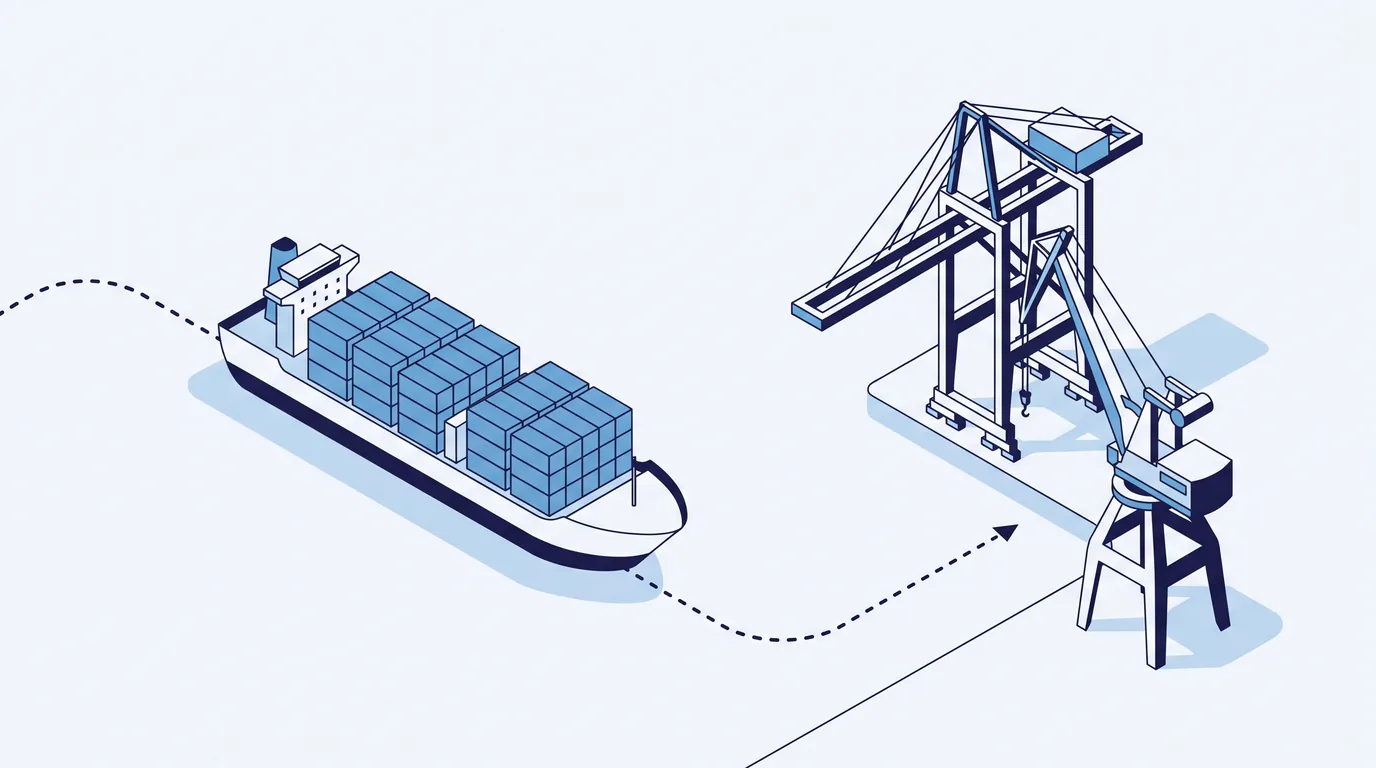
Gulf corridor: Veracruz, Puebla, Mexico City, Querétaro, Monterrey. The port of Veracruz connects to Europe and the Caribbean. For importers in the Bajío and central Mexico, the Veracruz-rail-truck combination can beat routing through Manzanillo.
Rail in Mexico: underused but powerful
Rail moves 14% of ground freight in Mexico, far below the U.S. (40%). But for certain flows the math is unbeatable: a CPKC train (formerly Kansas City Southern) can move 200 containers from Monterrey to Chicago in 48 hours at freight costs 25-35% below trucking on runs over 1,500 km.
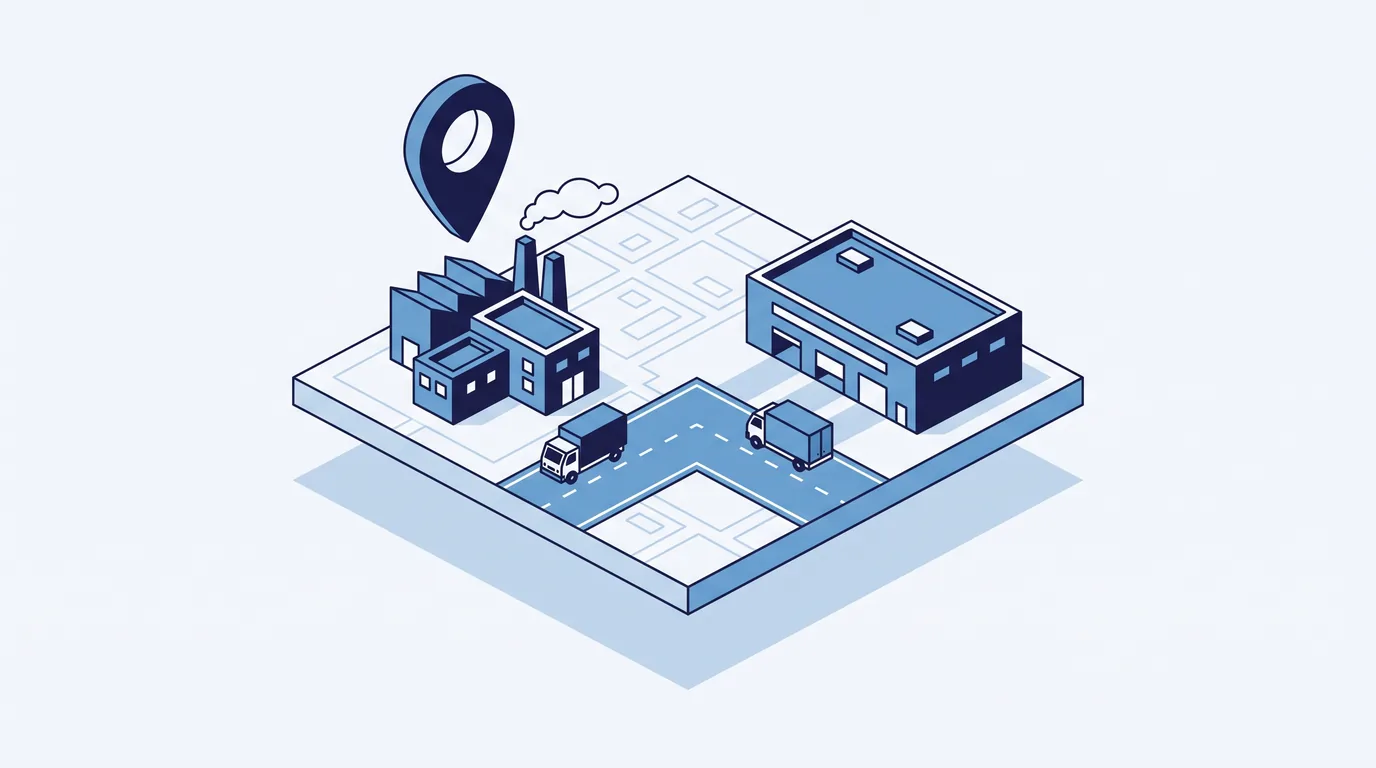
The rail spur, the private track connecting a plant directly to the rail network, is what eliminates double handling. Logwell has its own spur in the Nuevo Laredo industrial park, which allows direct loading without passing through an intermediate intermodal terminal.
Where rail beats trucking:
Multimodal documents: what changes
Multimodal adds documentary complexity compared with single-mode transport. The documents you must control:
Bill of Lading (B/L): in ocean transport, the B/L is the title to the cargo. For door-to-door multimodal operations, the Multimodal Transport Document (MTD) covers the whole chain under one operator.
Carta Porte (Mexico's freight transfer complement): since 2022, all ground freight in Mexico requires the Carta Porte complement in the carrier's CFDI (electronic invoice). In multimodal operations, every ground leg generates its own CFDI with Carta Porte. The importer must keep all of them to prove the legal trajectory of the goods.
Cargo manifest: every mode generates its manifest. ANAM (Mexico's customs agency) cross-checks the ground carrier's manifest against the importer's pedimento (customs entry). Discrepancies trigger automatic alerts. In multimodal, if container or seal data differ between the ocean B/L and the ground manifest, you risk a customs hold.
The most expensive multimodal mistakes
Not synchronizing crossing times with clearance: the truck reaches the bridge but the pedimento is not released. On the Laredo-Nuevo Laredo corridor, every hour waiting at the bridge has a cost (bridge fees, yard rent, driver on the clock). If the cargo feeds a JIT plant, the cost of a line stop can exceed the value of the shipment.
Broken or inconsistent seals: a container arriving with a seal different from the manifest goes to automatic physical inspection. In high-volume operations, seal integrity from origin to destination is critical protocol, especially if you hold CTPAT.
Destination infrastructure not ready: the container arrives by rail but the plant has no dock at the right height to unload it directly. An extra crane move is needed. It sounds obvious, but we see it in nearshoring operations where the plant was not designed with the transport mode in mind.
Planning right: what makes the difference
Multimodal is not improvised: the efficiency comes from planning it at the start of the commercial relationship, not adapting it shipment by shipment. What must be defined before the first container:
Logwell operates as an MTO on the Pacific and NAFTA corridors, coordinating freight from origin (port or plant) to final destination in the U.S. under a single contract. If you are weighing a corridor change or moving from single-mode to multimodal, we can audit your current operation and find the hidden cost.
Sources and references
- SCT (Mexico's transportation ministry), Freight Transport Statistics 2024
- BNSF Railway, Intermodal Network Mexico
- Mexican Ministry of Economy, Trade Flows by Port of Entry 2025
About the author
Logwell Team
Transportation and Logistics Practice
Logwell's transportation practice coordinates ground, rail and ocean operations across the main Mexico-U.S. corridors, with a CTPAT-certified fleet of its own and direct rail spur access in Nuevo Laredo.
Still have a question?
Need a freight quote?
Tell us the origin, destination and cargo type. We cover ground, air and ocean with a reply in under 2 hours.
Request a quoteShare